
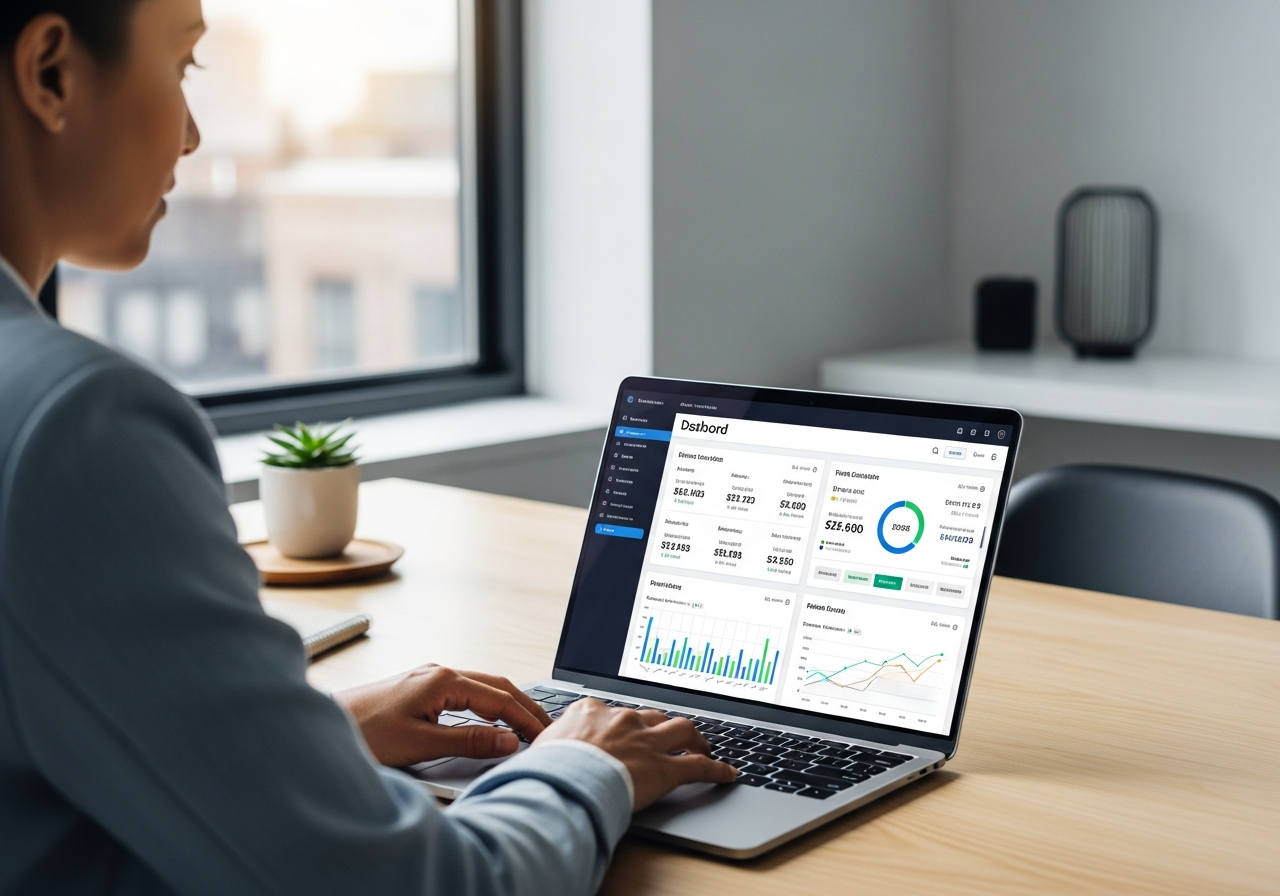
Checking transaction history on gambling account dashboards
Checking transaction history on Indian gambling account dashboards has become an essential practice for players navigating the complex landscape of online betting and casino gaming. With the increasing popularity of platforms that support local payment methods like UPI (Unified Payments Interface) and IMPS (Immediate Payment Service), Indian players now have unprecedented access to detailed financial records of their gambling activities. Understanding how to effectively monitor these transaction logs is crucial for maintaining gambling accountability, ensuring compliance with tax obligations, and managing personal finances responsibly.
Modern gambling account dashboards provide comprehensive tools for tracking deposits, withdrawals, and betting history, offering players complete transparency over their financial activities. Whether you’re using popular payment methods like PhonePe, Google Pay, or traditional banking options, these dashboards maintain detailed records that serve multiple purposes beyond simple record-keeping. From supporting tax compliance under Indian regulations to enabling better self-control mechanisms for responsible gambling, transaction history monitoring has evolved into a fundamental aspect of the online gambling experience in India.
Why Check Transaction History in Indian Gambling Accounts?
Regular monitoring of transaction history in Indian gambling accounts serves multiple critical purposes that extend far beyond basic account management. The primary importance lies in maintaining responsible gambling practices, where detailed transaction logs provide players with concrete data about their spending patterns, frequency of deposits, and overall gambling behavior. This information becomes invaluable when players need to assess their gambling habits, identify potential problem behaviors, or implement self-imposed spending limits.
Transaction history also plays a crucial role during tax audits and compliance verification processes. Indian tax authorities may require detailed records of gambling winnings and losses, making comprehensive transaction logs essential documentation. Additionally, these records prove invaluable when resolving disputes with gambling platforms, providing concrete evidence of deposits, withdrawals, and betting activities.
Beyond compliance and dispute resolution, transaction history serves as a powerful tool for financial planning and budgeting. Players can analyze their gambling expenditure patterns, identify peak spending periods, and make informed decisions about future gambling activities based on historical data trends.
Legal Requirements for Indian Players
Indian gambling platforms operate under strict regulatory frameworks that mandate comprehensive record-keeping and compliance measures. Players must understand these legal requirements to ensure they meet all necessary obligations while enjoying online gambling services.
- IT Act compliance requiring digital transaction records for amounts exceeding ₹2 lakhs annually
- KYC (Know Your Customer) verification mandating identity documentation linked to transaction history
- Income Tax Act provisions requiring declaration of gambling winnings above ₹10,000 per transaction
- RBI guidelines for digital payment tracking through UPI and IMPS systems
- Platform-specific record retention policies maintaining transaction data for minimum 3-5 years
- Anti-money laundering (AML) compliance requiring detailed source verification for large deposits
Benefits for Responsible Gambling
Transaction history monitoring serves as a cornerstone of responsible gambling practices, providing players with objective data to evaluate their gambling behaviors. Advanced dashboard analytics can reveal spending patterns, identify periods of excessive activity, and highlight potential warning signs of problem gambling. Many platforms now integrate these insights with built-in responsible gambling tools, automatically suggesting deposit limits or cooling-off periods based on transaction patterns.
The psychological impact of reviewing detailed transaction history cannot be understated, as it transforms abstract spending into concrete financial data. This visibility often leads to more mindful gambling decisions and better self-regulation, helping players maintain control over their gambling activities while enjoying the entertainment value of online betting and casino games.
Common Features of Gambling Account Dashboards in India
Indian gambling platforms have evolved to offer sophisticated dashboard features specifically designed to cater to local preferences and regulatory requirements. These dashboards integrate seamlessly with popular Indian payment systems while providing comprehensive transaction management capabilities.
The standardization of dashboard features across major Indian gambling platforms has created a consistent user experience, though each platform adds unique elements to differentiate their services. Understanding these common features helps players navigate different platforms more effectively and maximize the utility of their transaction monitoring activities.
| Feature | Description | Indian Platforms Example |
|---|---|---|
| Date Range Filters | Customizable time period selection for transaction viewing | Parimatch, Betway India |
| UPI Transaction Tracking | Detailed logs of UPI deposits and withdrawals with reference numbers | 10Cric, LeoVegas India |
| CSV/PDF Export | Download capabilities for tax records and personal accounting | Betway India, Royal Panda |
| Transaction Status Indicators | Real-time status updates for pending, completed, or failed transactions | Casumo India, Parimatch |
| Payment Method Categorization | Separate views for different payment methods (UPI, cards, wallets) | 10Cric, LeoVegas India |
| Search Functionality | Advanced search by amount, transaction ID, or payment reference | Royal Panda, Casumo India |
| Mobile Optimization | Responsive design optimized for smartphone transaction viewing | All major Indian platforms |
Enhanced Security Features
Modern Indian gambling platforms incorporate advanced security features within their transaction history interfaces, including two-factor authentication requirements for accessing sensitive financial data, encrypted transaction details, and masked payment information to protect user privacy. These security measures ensure that transaction history remains accessible to account holders while maintaining the highest standards of data protection and regulatory compliance required in the Indian market.
Step-by-Step Guide to Access Transaction History
- Log into your gambling account using your registered credentials and complete any required two-factor authentication
- Navigate to the “My Account,” “Wallet,” or “Banking” section from the main dashboard menu
- Locate and click on “Transaction History,” “Account Statements,” or “Payment History” tab
- Select your desired date range using the calendar filters or predefined options (last 7 days, 30 days, 3 months)
- Apply additional filters such as transaction type (deposits/withdrawals), payment method (UPI/cards), or amount range
- Review the displayed transactions and use sorting options to organize data by date, amount, or status
- Export or download the filtered results if needed for record-keeping or tax purposes
Using Mobile Apps vs Desktop
| Aspect | Mobile | Desktop |
|---|---|---|
| Interface Design | Touch-optimized with swipe navigation and condensed views | Full-featured dashboard with expanded table views |
| Filter Options | Basic filters with dropdown menus and date pickers | Advanced filtering with multiple criteria and custom ranges |
| Export Functionality | Limited to email delivery or cloud storage integration | Direct download options with multiple file formats |
| Data Visualization | Simplified charts and graphs optimized for small screens | Comprehensive charts, graphs, and detailed analytics |
| Speed and Performance | Faster loading with cached data and progressive loading | More comprehensive data loading with detailed records |
Filtering and Sorting Transactions
- Use date range filters to focus on specific time periods, especially useful for monthly or quarterly financial reviews
- Apply transaction type filters to separate deposits from withdrawals for clearer financial analysis
- Filter by payment method to track UPI, IMPS, or card transactions separately for banking reconciliation
- Sort by transaction status to quickly identify pending, failed, or completed transactions requiring attention
- Utilize amount-based filters to locate high-value transactions or focus on specific spending ranges
- Combine multiple filters simultaneously for precise transaction searches and detailed account analysis
Popular Indian Gambling Platforms: Dashboard Comparison
| Platform | History Depth | Export Options | Filters Available |
|---|---|---|---|
| Parimatch India | 12 months | PDF, CSV, Excel | Date, Type, Amount, Status |
| Betway India | 24 months | PDF, CSV | Date, Payment Method, Amount |
| 10Cric | 18 months | PDF, Email delivery | Date, Type, UPI Reference |
| LeoVegas India | 36 months | PDF, CSV, Excel | Comprehensive filters |
| Royal Panda India | 24 months | PDF, CSV | Date, Amount, Game Category |
| Casumo India | 12 months | PDF only | Basic date and type filters |
| 22Bet India | 6 months | PDF, CSV | Date, Transaction ID |
| Dafabet India | 12 months | PDF, Email | Date, Amount, Currency |
Platform-Specific Advantages
Each major Indian gambling platform offers unique advantages in transaction history management, with LeoVegas India leading in historical data retention and comprehensive filtering options, while Parimatch India excels in export format variety and user-friendly interface design. Betway India stands out for its detailed UPI transaction tracking and integration with Indian banking systems, making it particularly suitable for players who primarily use local payment methods for their gambling activities.
Understanding Transaction Types and Statuses
Indian gambling platforms categorize transactions into distinct types, each serving specific purposes within the gambling ecosystem. Deposit transactions represent funds added to gambling accounts through various payment methods, including UPI transfers, credit card payments, debit card transactions, and digital wallet transfers. These deposits are typically processed instantly for UPI and digital wallet methods, while card transactions may require additional verification steps.
Withdrawal transactions encompass all fund transfers from gambling accounts back to players’ personal banking accounts or digital wallets. The processing time and available withdrawal methods often differ from deposit options due to regulatory requirements and anti-money laundering protocols. Transaction statuses provide real-time updates on the processing stage, with common statuses including “Pending,” “Processing,” “Approved,” “Completed,” and “Declined,” each indicating specific stages in the transaction lifecycle.
Deposit vs Withdrawal Logs
| Type | Code Example | Typical Amount | Processing Time |
|---|---|---|---|
| UPI Deposit | DEP-UPI-240315-001 | ₹500 – ₹50,000 | Instant |
| Card Deposit | DEP-CARD-240315-002 | ₹1,000 – ₹1,00,000 | 1-5 minutes |
| UPI Withdrawal | WD-UPI-240315-001 | ₹1,000 – ₹25,000 | 30 minutes – 4 hours |
| Bank Transfer Withdrawal | WD-BANK-240315-001 | ₹2,000 – ₹2,00,000 | 2-24 hours |
| Wallet Deposit | DEP-WALLET-240315-003 | ₹200 – ₹75,000 | Instant |
| Refund Transaction | REF-SYS-240315-001 | Variable | 1-3 business days |
Transaction Status Meanings
Understanding transaction statuses is crucial for effectively monitoring your gambling account activity and identifying any issues that may require attention. “Pending” status indicates that a transaction has been initiated but is awaiting processing by either the gambling platform or payment provider. “Processing” suggests that the transaction is actively being handled by the relevant financial institution or payment gateway. “Approved” means the transaction has passed all verification checks and is proceeding to completion, while “Completed” confirms successful processing and fund transfer.
“Declined” or “Failed” statuses require immediate attention, as they may indicate insufficient funds, technical issues, or verification problems that need resolution. Some platforms also use intermediate statuses like “Under Review” for transactions requiring manual verification, particularly for high-value withdrawals or first-time payment methods that trigger additional security protocols.
Exporting and Downloading Statements
- Navigate to your transaction history section and apply desired filters for the specific time period or transaction types needed
- Locate the “Export” or “Download” button, typically positioned near the top of the transaction list or filter controls
- Select your preferred file format from available options such as PDF for official records, CSV for spreadsheet analysis, or Excel for detailed financial tracking
- Choose additional export parameters including date range confirmation, transaction type selection, and currency format preferences
- Click “Generate Report” or “Download” and wait for the file preparation process to complete, which may take several minutes for large datasets
- Save the downloaded file to a secure location and verify the content accuracy for your record-keeping and tax compliance requirements
Tax Record Optimization
When exporting transaction statements for tax purposes, it’s essential to include all relevant financial data that may be required by Indian tax authorities. Ensure your exported statements contain transaction dates, amounts, payment methods, and reference numbers for complete documentation. Many platforms offer specialized tax reporting formats that automatically calculate total deposits, withdrawals, and net gambling activity, making it easier to complete tax filings accurately.
Consider exporting separate statements for different financial years and maintaining both digital and physical copies of important tax documents. Some players find it beneficial to export monthly statements regularly rather than attempting to download large annual reports, as this approach reduces the risk of data loss and makes ongoing financial tracking more manageable.
Troubleshooting Common Dashboard Issues
| Issue | Cause | Solution |
|---|---|---|
| Missing Transaction Data | Database synchronization delays or filter misconfiguration | Refresh page, clear cache, adjust date filters, contact support |
| Slow Dashboard Loading | Large data sets, poor internet connection, or server overload | Use shorter date ranges, switch to mobile app, try different browser |
| Export Function Failing | Browser restrictions, popup blockers, or file size limitations | Disable popup blockers, reduce date range, try different file format |
| Incorrect Transaction Amounts | Currency conversion errors or display formatting issues | Check currency settings, verify with payment provider, report discrepancy |
| Filter Options Not Working | JavaScript errors, browser compatibility, or cached data conflicts | Update browser, clear cache, disable extensions, use incognito mode |
| Dashboard Access Denied | Account verification issues, security lockouts, or maintenance periods | Complete KYC verification, wait for maintenance completion, reset password |
| Mobile App Sync Issues | App version outdates, poor mobile connectivity, or account sync delays | Update app, restart device, use WiFi connection, logout and login again |
Contacting Support for Disputes
When encountering transaction disputes or persistent dashboard issues, Indian gambling platforms typically offer multiple support channels including live chat, email support, and telephone assistance. Before contacting support, gather relevant information such as transaction IDs, timestamps, amounts involved, and screenshots of any error messages. Most platforms maintain dedicated support teams familiar with Indian payment systems like UPI and IMPS, ensuring they can effectively address region-specific issues.
For transaction disputes, provide clear documentation of the issue, including bank statements or payment confirmations that contradict the dashboard information. Support teams generally respond within 24-48 hours for routine inquiries, though complex transaction investigations may require additional time. Keep records of all support communications, as these may be necessary for escalating issues to payment providers or regulatory authorities if disputes remain unresolved through platform channels.
Preventive Maintenance Tips
Regular account maintenance can prevent many common dashboard issues and ensure optimal transaction history accessibility. Clear browser cache and cookies monthly to prevent data conflicts, keep mobile apps updated to the latest versions, and periodically verify that your account information remains current and accurate. Additionally, bookmark direct dashboard links and maintain alternative access methods to ensure you can always reach your transaction history when needed for urgent financial planning or tax documentation purposes.
Security and Privacy in Transaction Viewing
Security measures for transaction history viewing on Indian gambling platforms incorporate multiple layers of protection designed to safeguard sensitive financial information while ensuring legitimate account access. Two-factor authentication (2FA) has become standard across major platforms, requiring users to provide secondary verification through SMS codes, authenticator apps, or email confirmations before accessing detailed transaction data. This additional security step significantly reduces the risk of unauthorized access even if account credentials become compromised.
Payment detail masking represents another crucial security feature, where platforms display only partial information for sensitive data like card numbers, bank account details, and UPI IDs. Instead of showing complete payment information, dashboards typically display masked versions such as “**** **** **** 1234” for card numbers or “user****@paytm” for UPI IDs, providing enough information for transaction identification while protecting full payment details from potential security threats.
Advanced encryption protocols ensure that all transaction data transmission between user devices and platform servers remains secure, with most Indian gambling platforms implementing SSL/TLS encryption and additional proprietary security measures. These technical safeguards work alongside user-controlled privacy settings, allowing players to customize their security preferences, set automatic logout timers, and configure notification preferences for account access and transaction activities. Regular security audits and compliance with international data protection standards further enhance the overall security framework protecting Indian players’ sensitive gambling and financial information.
Best Practices for Account Security
Maintaining optimal security when accessing transaction history requires adherence to several best practices that complement platform-provided security measures. Always access your gambling account dashboard from secure, private networks rather than public WiFi connections, which may be vulnerable to interception or monitoring. Use unique, strong passwords for gambling accounts and avoid sharing login credentials across multiple platforms or with other individuals, regardless of trust levels.
Regular monitoring of account access logs, available on most Indian gambling platforms, helps identify any unauthorized login attempts or suspicious activity patterns. Enable all available security notifications to receive immediate alerts about account access, password changes, or significant transaction activities. When accessing transaction history on shared or public computers, always use private browsing mode and ensure complete logout before leaving the device, as cached data could provide unauthorized access to sensitive financial information.